
Asbestosis is a serious lung disease caused by long-term exposure to asbestos, a toxic material once widely used in industrial jobs. While the dangers of asbestos have been known for decades, people in places like Fort Lauderdale still live with the consequences of exposure that happened years ago. Some worked in shipyards. Others handled construction materials or spent time in factories filled with airborne asbestos dust.
A Fort Lauderdale asbestosis lawyer can help individuals and families who are dealing with the long-term effects of this disease. Legal help may give you a way to pursue the maximum compensation available, especially if you’re dealing with medical bills, lost income, or the impact of a loved one’s illness or passing.
At Vogelzang Law, we handle asbestos-related claims and understand the harm this disease can cause. People with asbestosis may have options that include settlements, trust fund payments, or legal action against former employers or product manufacturers. Talking to an asbestosis lawyer at our firm during a free consultation can help you determine the best course of action.
What is Asbestosis and How Does it Develop?
Asbestosis is a chronic lung disease. It doesn’t happen overnight. The disease builds slowly, often starting years after exposure. Here’s how it works.
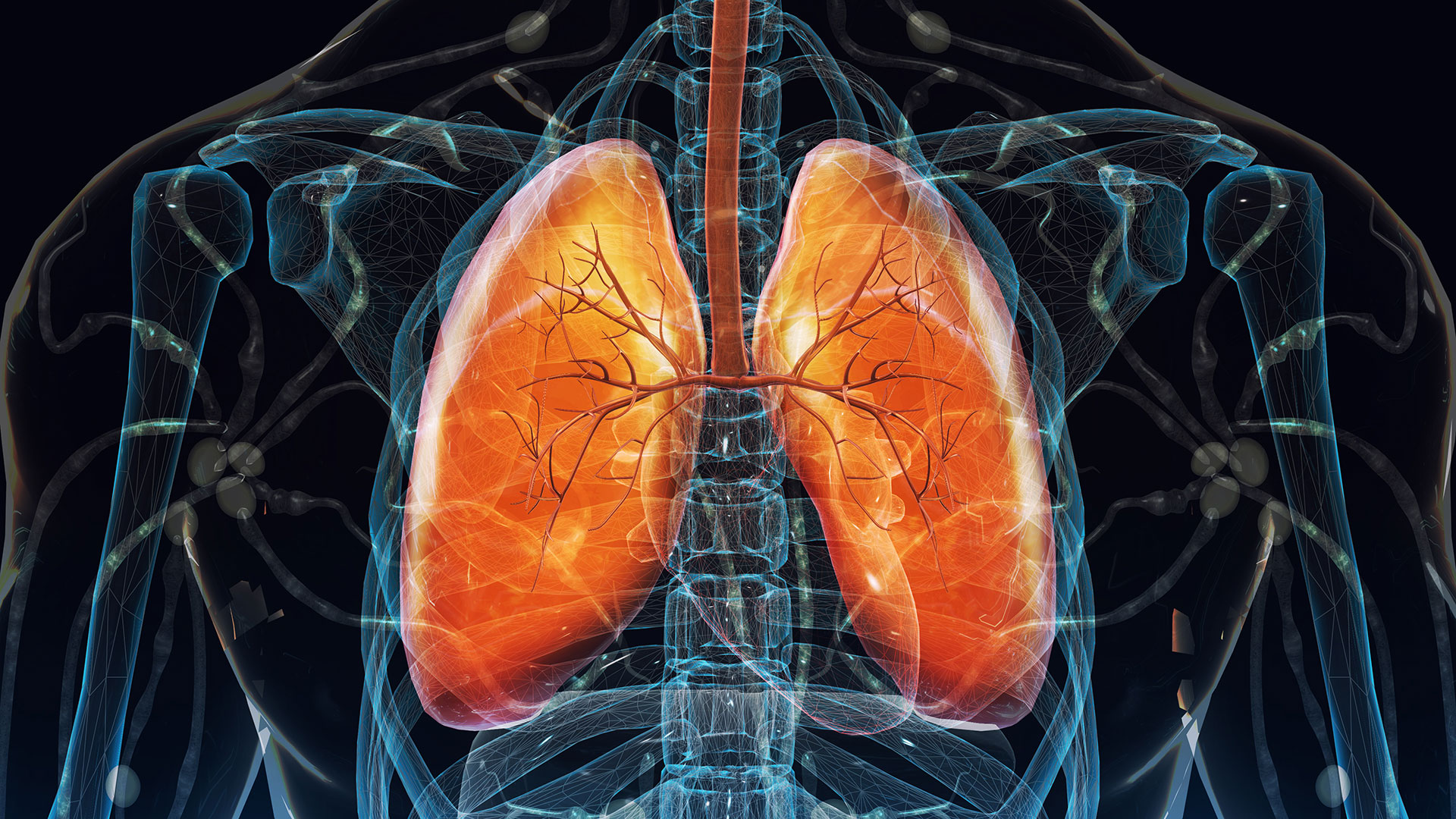
- Understanding Asbestosis as a Lung Disease – Asbestosis causes lung tissue to stiffen and scar. This scarring makes it harder to breathe. It also reduces the amount of oxygen that reaches your bloodstream. The scarring doesn’t go away and tends to get worse over time.
- The Role of Asbestos Fibers in Lung Damage – When a person breathes in asbestos fibers, those tiny particles lodge deep in the lungs. The body tries to eliminate them, but can’t. Over time, this causes inflammation and scarring that permanently damage the lung tissue.
- Progression from Exposure to Diagnosis – Most people with asbestosis were exposed for years, sometimes decades, before symptoms appeared. It usually takes 10 to 40 years after exposure for signs to show up. By then, the damage has already been done. That long delay makes it hard for many to trace their illness back to a specific job or location without legal help.
- Difference Between Asbestosis and Other Asbestos-Related Diseases – Asbestosis isn’t the only disease linked to asbestos. It’s different from mesothelioma, which is a rare cancer. It’s also different from asbestos-related lung cancer. Asbestosis is a non-cancerous condition, but it can still be life-threatening.
Fort Lauderdale Asbestos Exposure History
Fort Lauderdale’s work history plays a big role in asbestos exposure. For years, asbestos was used in construction, shipbuilding, power plants, and more. Workers handled asbestos daily, often without masks or proper safety equipment.
- Industries with High Asbestos Use in Fort Lauderdale – Factories near the Port Everglades area used asbestos in insulation and machinery. Plant workers, boiler operators, and maintenance crews often worked around airborne asbestos. Exposure was common daily.
- Maritime and Shipyard Exposure Risks – Ships that docked in Fort Lauderdale’s marina districts were full of asbestos. It was used in engine rooms, pipes, and ship insulation. Dockworkers and shipbuilders often had direct contact with it during maintenance or repair work.
- Construction and Building Materials – Throughout neighborhoods like Riverland and areas around South Andrews Avenue, homes and buildings went up fast during the post-war boom. Contractors used asbestos in roofing, drywall, siding, and floor tiles. Many construction workers and tradespeople inhaled the dust on job sites.
- Power Plants and Industrial Facilities – Facilities near the Fort Lauderdale-Hollywood International Airport once used large amounts of asbestos to insulate boilers, turbines, and pipes. Workers in these plants often worked in tight areas filled with airborne fibers.
Who is at Risk for Asbestosis in Fort Lauderdale?
Exposure didn’t happen only to those who worked directly with asbestos. Many people who never set foot in a factory also inhaled fibers brought home on clothes or tools.
- High-Risk Occupations and Job Sites – Workers in plumbing, welding, HVAC, and demolition had daily contact with asbestos. Laborers and contractors in Fort Lauderdale’s growing suburbs also encountered it in homes and buildings from the 1950s to 1980s.
- Secondary Exposure Risks to Family Members – Children and spouses of workers also got sick. They were exposed when they washed dusty work clothes or hugged their loved ones after a shift. These “bystander” exposures caused real harm, especially to women and children in the home.
- Veterans and Military Personnel – Many veterans living in Fort Lauderdale served on Navy ships or worked on military bases where asbestos was used in nearly every building and ship system. Military mechanics, pipefitters, and engineers faced high levels of exposure.
- Construction Workers and Tradespeople – Tile layers, electricians, drywall installers, and general contractors often worked in confined spaces where asbestos dust filled the air. Many were never told of the risk and had no way to protect themselves.
Symptoms and Diagnosis of Asbestosis
Asbestosis symptoms usually build slowly. Many people think they have a cough or are getting older. By the time they get diagnosed, the damage is already advanced.
Early Warning Signs and Symptoms
People often report shortness of breath, especially during physical activity. A dry cough that won’t go away is common. Chest pain, weight loss, and a crackling sound when breathing can also be signs.
Diagnostic Tests and Medical Procedures
Doctors may order chest X-rays, CT scans, or lung function tests to see the extent of the scarring. Some people undergo a biopsy if cancer is suspected. Accurate diagnosis often requires a full review of medical records and job history.
Staging and Severity Assessment
Asbestosis doesn’t have stages like cancer. However, doctors rate it based on the amount of visible scarring and the degree of lung function loss. Severe cases may require oxygen therapy or even a lung transplant.
Prognosis and Life Expectancy
Some people live with mild asbestosis for years. Others progress quickly and need serious medical care. The condition increases the risk of lung cancer and other problems that shorten life expectancy.
What Legal Rights Do Asbestosis Victims Have?
People exposed to asbestos on the job or through products may have legal rights. That includes claims for injuries, lost income, and other harm caused by exposure.
- Personal Injury Claims Against Negligent Employers – Many companies knew asbestos was dangerous but failed to protect their workers. Filing a personal injury lawsuit can hold those employers accountable for the damage they caused.
- Product Liability Claims Against Manufacturers – Asbestos manufacturers continued to sell products even after learning the health risks. Some of those companies now fund asbestos trust accounts to pay claims from victims.
- Wrongful Death Claims for Surviving Family Members – Family members may bring a wrongful death claim if someone dies from asbestosis. This helps cover funeral costs, lost income, and the loss of support the person provided.
Compensation Available for Asbestosis Cases
People with asbestosis may qualify for different types of compensation based on their condition, work history, and financial losses.
- Medical Expenses and Future Treatment Costs – Compensation may cover doctor visits, hospital stays, oxygen therapy, medications, and any future treatments. Asbestosis is a lifelong illness, and medical costs often keep rising.
- Lost Wages and Diminished Earning Capacity – Some workers have to quit their jobs or retire early because they can’t keep up physically. Compensation may include wages they missed out on and income they would’ve earned in the future.
- Pain and Suffering Damages – Living with shortness of breath, fatigue, and fear of the future brings real suffering. While it’s hard to put a price on this kind of loss, the law allows victims to seek payment for it.
- Asbestos Trust Fund Claims – Dozens of asbestos companies went bankrupt and set up trust funds to handle claims. A lawyer can help determine whether a person qualifies and file for payments from one or more of these funds.
How Long Do I Have to File an Asbestosis Lawsuit?
Waiting too long can mean missing the chance to file a claim. Each state has time limits, known as statutes of limitations.
- Florida Statute of Limitations for Asbestosis Cases – In Florida, you usually have two years from the date you discover your diagnosis to file a personal injury claim. If the person has passed away, the family has two years from the date of death to file a wrongful death lawsuit.
- Discovery Rule and When the Clock Starts – The law allows people to file claims even if the exposure happened decades ago. The clock usually starts when a doctor makes a formal diagnosis, not when the exposure occurred.
- Exceptions and Special Circumstances – Some cases involve out-of-state exposure or multiple employers. Others involve people who didn’t learn about their diagnosis right away. These cases may qualify for exceptions that allow for a longer filing period.
- Importance of Acting Quickly – Companies and insurance carriers often deny claims when time runs out. Taking legal action right away helps protect your claim and increases the chances of recovering the maximum compensation available.
Why Choose Vogelzang Law
Vogelzang Law specializes in asbestos cases and offers a personalized approach to every client we represent.
- Extensive Experience in Asbestos Litigation – Our team has handled asbestos-related claims for more than 20 years. We know the laws, the medical science, and the tactics companies use to avoid paying.
- Proven Track Record of Successful Verdicts and Settlements – We’ve recovered more than $300 million for clients across the country. Every case is different, but we work hard to reach a fair outcome based on the facts.
- No Fees Unless We Recover Compensation for You – We only get paid if you receive payment through a settlement, trust claim, or court verdict. There are no upfront legal fees.
- Compassionate Support Throughout the Legal Process – We treat clients with respect. We answer your questions, return your calls, and keep you informed during the process.
- Local Knowledge of Fort Lauderdale Industrial History – We understand the specific job sites, trades, and industries in Fort Lauderdale where asbestos exposure happened. That helps us build a stronger case
Vogelzang Law offers a free consultation to review your situation and explain your legal options. Contact our Fort Lauderdale Asbestosis Lawyers Today at (954) 799-4886. The sooner you act, the better your chance of recovering the maximum compensation available. Let Vogelzang Law help you hold the right parties accountable.
Asbestos FAQs
What is asbestos?
Asbestos is a naturally occurring fine, fibrous silicate. There are six types, and each contains similar long, thin fibers. Due to its strong, flexible characteristics, asbestos has been a desirable ingredient in a wide range of compounds. Known to increase durability, resist heat, and absorb sound, asbestos was once referred to as the “miracle mineral.” It was used in nearly everything, from joint compounds to insulation.
In the early 2000s, asbestos suffered a cataclysmic fall from grace. No longer considered the “miracle mineral,” asbestos is now classified as one of the world’s deadliest substances.
There are four types of asbestos:
There are four types of asbestos that have been used commercially:
- Chrysotile (white) asbestos
- Crocidolite (blue) asbestos
- Amosite (brown) asbestos
- Anthophyllite (gray) asbestos
How was/is asbestos used?
Asbestos dates back to prehistoric times, but became widely used during the Industrial Revolution due to its flexibility and heat-resistant properties.
Past and current products made of asbestos include insulation (pipe, block, and cement); fireproofing acoustical products; textile and cloth products (asbestos gloves, blankets, etc.); joint compounds; gaskets, valves, asbestos-cement pipe and sheet material, ceiling tiles, wallboard, siding, roofing; and friction materials such as clutches and brakes.
Is asbestos still used today?
Although the harmful effects of asbestos are well know, it is still used in the US today. While the EPA finally banned chrysotile asbestos, the most widely used type, it will take time before it is no longer used in any products.
How do I know if a product still contains asbestos?
Unless the product you are using is clearly labeled, it can be challenging to determine if it contains asbestos.
If you have any doubts, cease use of the product immediately. You can have it tested by a professional, but it is advised you avoid handling the sample.
Why is asbestos dangerous?
Asbestos, once hailed as the "miracle mineral," is a highly hazardous substance. It is composed of microscopic needle-like fibers. Because the fibers are so small and light, they can stay in the air for a long time and are not easily detected. When inhaled, the fibers lodge themselves in sensitive tissue and can cause serious illnesses, including mesothelioma, lung cancer, and other diseases.
In the U.S., Drs. Lynch and Smith were the first to link asbestos to lung cancer in the 1930s. They noted an excess number of workers with lung cancer from the local asbestos textile plant. By 1942, the then-director of occupational cancer studies at the National Cancer Institute declared that asbestos caused lung cancer.
Mesothelioma cases began to surface in the 1950s, following reports in Germany and the Netherlands. In the 1930s, researchers in South Africa related occurrences of mesothelioma with asbestos exposure, further noting that the cancer was also present in family members of works and communities where asbestos was mined.
Over the years, other cancers have been linked to asbestos exposure, including laryngeal cancer, ovarian cancer (often from talc use), various GI tract cancers (esophagus, stomach, small intestine, and colorectal cancers), and even kidney cancer.
Although asbestos is prohibited in numerous countries globally, its harmful impact is far from over. Because of its long latency period, mesothelioma, lung cancer, and asbestosis will persist in claiming lives and impacting communities around the world.
How was I exposed to asbestos?
Occupational exposure remains the most common way individuals are exposed to asbestos. General, electricians, plumbers, pipefitters, insulators, boilermakers, bricklayers, ironworkers, and mechanics tend to face the highest risk. Jobs that require mining, pouring, and mixing raw asbestos release deadly clouds of asbestos dust into the air.
Once the toxic fibers are airborne, workers inhale them. Individuals have also been exposed to asbestos while repairing automotive brakes, cutting asbestos-coated cement pipes, and applying spray-on asbestos fireproofing materials.
Individuals have also been exposed to asbestos while repairing automotive brakes, cutting asbestos-coated cement pipes, and applying spray-on asbestos fireproofing materials.
How much asbestos exposure is dangerous?
Unfortunately, there is no safe level of exposure to asbestos. Inhaling or ingesting any amount can cause the development of harmful and potentially life-ending diseases decades after exposure.
What occupations had the highest risk for asbestos exposure?
Because asbestos fibers are so small, they are easily dispersed in the air when disrupted. When construction materials are cut or destroyed, the small fibers enter the surrounding air, are breathed in by workers, and then lodge in the lungs, often leading to long-term health problems.
From the 1920s to the 1980s, asbestos was present in thousands of products and job sites. The full list of occupations that were potentially exposed to asbestos is alarming.
Some of the most common examples of high-and medium-risk asbestos-exposure jobs include:
- Aircraft Mechanics
- Boilermakers
- Bricklayers
- Carpenters
- Cement Masons
- Electricians
- Elevator Workers
- Insulators
- Laborers
- Metal Workers
- Plumbers
- Roofers
- Shipyard Workers
- Steelworkers
Asbestos Litigation FAQs
Can I file a claim if I was exposed to asbestos decades ago?
Yes. Most states use the date of diagnosis, not the date of exposure, to start the deadline for filing.
What if my employer is no longer in business?
You can still file. In many cases, manufacturers or insurance companies are still responsible
How long does an asbestos exposure case usually take?
It varies. Some cases settle within a few months, while others take longer depending on the evidence and court schedule.
Can family members file claims for secondhand exposure?
Yes. Spouses and children who were exposed through work clothes may also have a valid claim.
How much is my asbestos-related lung cancer claim worth?
While our attorneys cannot promise you a specific recovery amount, our experience handling asbestos lung cancer and mesothelioma lawsuits has given us ample reason to believe firmly that you can achieve a higher settlement amount when working with an experienced lawyer.
Your compensation will depend on several factors.
- The Severity of the Illness: Generally, more severe conditions like mesothelioma may command higher compensation than less severe ailments.
- The Degree of Defendant’s Negligence: The more negligent the responsible party, the higher the potential damages.
- The Financial Burden Incurred: The tangible economic losses faced by the victim play a pivotal role in determining compensation.
For those affected by asbestos-related diseases, understanding the landscape of compensation and damages is crucial. By securing adequate compensation, victims can find some relief from the financial stress of their condition, allowing them to focus on their health and well-being. An experienced attorney can guide victims through this process, ensuring they receive the maximum compensation to which they are entitled.
How long do I have to file a claim related to my lung cancer from asbestos exposure?
Each jurisdiction has a time frame, known as the statute of limitations, within which a victim can file an asbestos-related claim. It’s vital for victims to act promptly to ensure their right to compensation is preserved.
Who qualifies to file a lawsuit for asbestos-related lung cancer?
Individuals who have been diagnosed with mesothelioma or asbestos-related lung cancer, and can trace their disease back to asbestos exposure, typically qualify to file a lawsuit. Building a strong compensation claim normally involves evidence of a lung cancer diagnosis and asbestos exposure. Our experienced mesothelioma attorneys know where to look for this evidence and how to compile our findings into an airtight claim.
Can I file a claim for a loved one who passed away from an asbestos related disease?
Yes, if a loved one has passed away from an asbestos-related illness, you may be eligible to file a claim on their behalf. Often referred to as a “wrongful death” lawsuit, these claims are typically filed by immediate family members such as spouses, children, or the estate of the deceased.
This process aims to secure compensation for medical expenses, funeral costs, loss of companionship, and other related damages. It’s crucial to consult with an attorney experienced in asbestos lawsuits to understand the specifics and navigate the complexities of such a claim, as well as to ensure timely filing within your state’s statute of limitations.
Can I file a claim if I was exposed to asbestos decades ago?
Yes. Most states use the date of diagnosis, not the date of exposure, to start the deadline for filing.
What if my employer is no longer in business?
You can still file. In many cases, manufacturers or insurance companies are still responsible
What is asbestos trust fund?
Many companies that manufactured and installed products containing asbestos have established asbestos trust funds. They did this after declaring bankruptcy. They were created after mounting mesothelioma lawsuits forced them to declare bankruptcy. As a condition of their bankruptcy protection, they were created to manage current and future claims.
It is estimated that the current amount in the bankruptcy trust funds is between $25 and $30 billion. Payouts can range from $7,000 to $1.2 million.