Receiving a diagnosis for an asbestos-related illness like mesothelioma or lung cancer is shattering. Amid concerns about your health and your family’s future, the path forward may seem unclear. A critical part of that path involves understanding how you were exposed and who is responsible. The process of product identification in asbestos litigation is the key to connecting your illness to the companies that manufactured and sold the dangerous asbestos-containing materials you encountered. This step is fundamental to holding negligent corporations accountable and seeking the compensation you and your family deserve.
Key Takeaways about Why Product Identification in Asbestos Litigation is Crucial to Your Case
- Product identification is the legal process of proving which specific asbestos-containing products caused a person’s illness and who manufactured them.
- This process is essential for establishing liability, as legal claims must be directed at the specific companies responsible for the exposure.
- Evidence for product identification is gathered through a detailed investigation of a person’s work history, co-worker testimony, and historical company documents.
- Even if a company has gone out of business, it may still be required to establish an asbestos bankruptcy trust to compensate individuals harmed by its products.
- A legal team with a deep understanding of asbestos litigation can leverage its resources to identify the products and companies responsible for an individual’s exposure.
What is Product Identification in Asbestos Litigation?
Think of product identification as a form of detective work focused on your personal history. It is the detailed process of determining exactly which asbestos-containing products you were exposed to, who manufactured them, and when and where the exposure occurred. This isn’t just about general knowledge; it’s about finding specific, provable facts.
In the American legal system, a lawsuit requires naming the specific party or parties that caused the harm. You cannot simply file a claim against the “asbestos industry” as a whole. Instead, you must show that a particular company’s product—whether it was insulation, brakes, gaskets, or another material—is linked to your illness. Product identification in asbestos litigation builds this crucial link, creating a direct line from your exposure to the company that put that dangerous product on the market.
The Link Between Exposure and Accountability
For decades, many manufacturers were aware of the serious health risks associated with asbestos. Despite this knowledge, they continued to produce and sell these products without providing adequate warnings or protective gear to workers and consumers. Their decisions prioritized profits over people’s health. Identifying the specific products you were exposed to is the first step in holding these companies accountable for the harm they caused.
Building a Bridge from Diagnosis to Justice
A successful asbestos claim depends on building a solid bridge of evidence connecting your diagnosis to the responsible companies. This bridge is constructed piece by piece, starting with your own life story. The investigation often focuses on your work history, as most asbestos exposure happened on the job in industrial, construction, and manufacturing settings.
From the steel mills that once lined Lake Michigan in Chicago to shipyards on the coasts and power plants across the country, millions of Americans worked directly with or alongside asbestos products every day. An experienced legal team can help you recall the details of these job sites, reconstruct the environment, and identify the materials that were present, forming the foundation for your case.
How Do We Uncover Evidence of Asbestos Exposure?
You might be thinking, “My exposure happened 30, 40, or even 50 years ago. How can I possibly remember the brand names of the products I used?” This is a widespread and understandable concern. The good news is that you don’t have to do it alone, and there are many ways to uncover this vital information, even after many years have passed.
Your Work History: The Primary Clue
The most important source of information is you. A legal team will work closely with you to conduct a detailed review of your life and work history. The goal is to create a complete picture of every place you might have come into contact with asbestos fibers. This conversation is designed to be thorough but not stressful, helping to jog your memory about past events and environments.
Key pieces of information that help build your exposure history include:
- Employers and Job Sites: The names of every company you worked for and the locations of the plants, construction sites, or buildings.
- Dates of Employment: The years you worked at each job, which helps place specific products at the site during that time.
- Job Duties: A description of your daily tasks. Were you an insulator, a mechanic, an electrician, a pipefitter? Did you work in a boiler room or a factory floor?
- Co-worker Information: The names of people you worked with. They can often provide testimony that confirms the presence of certain asbestos products at the job site.
Recalling these details can feel like a big task, but a thoughtful and guided process can bring forgotten memories to the surface. Your legal team can use this information as a starting point for a deeper investigation.
Gathering Supporting Documents and Testimony
Your memories are powerful, but a strong case is supported by concrete evidence. An investigative team will seek documents and other evidence to corroborate your exposure history. This involves a multi-faceted approach to gathering proof.
This evidence can come from a variety of sources:
- Depositions: This is a formal, out-of-court interview where testimony is given under oath. Your legal team may take depositions from you, your former co-workers, and even representatives of the defendant companies to establish what products were used at a worksite.
- Company Records: Through the legal process, attorneys can obtain historical corporate documents. These can include invoices, purchase orders, shipping manifests, and product catalogs that prove a company’s asbestos products were sold to your employer or used at your job site.
- Union Records: If you were a member of a trade union, your local may have records that confirm your employment history, job classification, and the sites where you worked.
- Scientific and Medical Evidence: Your medical records confirm your diagnosis. In some cases, scientific analysis of lung tissue can identify the presence of asbestos fibers, further strengthening your claim.
Together, these forms of evidence create a detailed, verifiable account of your asbestos exposure, pointing directly to the companies that should be held responsible.
Common Asbestos-Containing Products and Their Manufacturers
Asbestos was once called the “miracle mineral” because of its strength and resistance to heat and fire. As a result, it was used in more than 3,000 different products across dozens of industries. Many hardworking Americans, from Chicago to every corner of the nation, handled these materials daily without knowing the danger.
Asbestos in Industrial and Construction Settings
Some of the most common asbestos-containing products were found in places where construction, repair, or manufacturing was underway. These include:
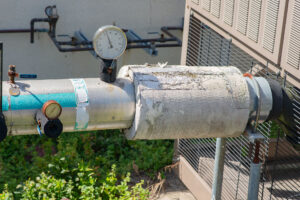
- Insulation: Used to cover pipes, boilers, tanks, and ducts in power plants, refineries, schools, and large buildings.
- Gaskets and Packing: Used to create high-temperature seals in pipes, pumps, and engines.
- Brakes and Clutches: Asbestos was a key component in automotive and industrial brakes, releasing dust when worn down or replaced.
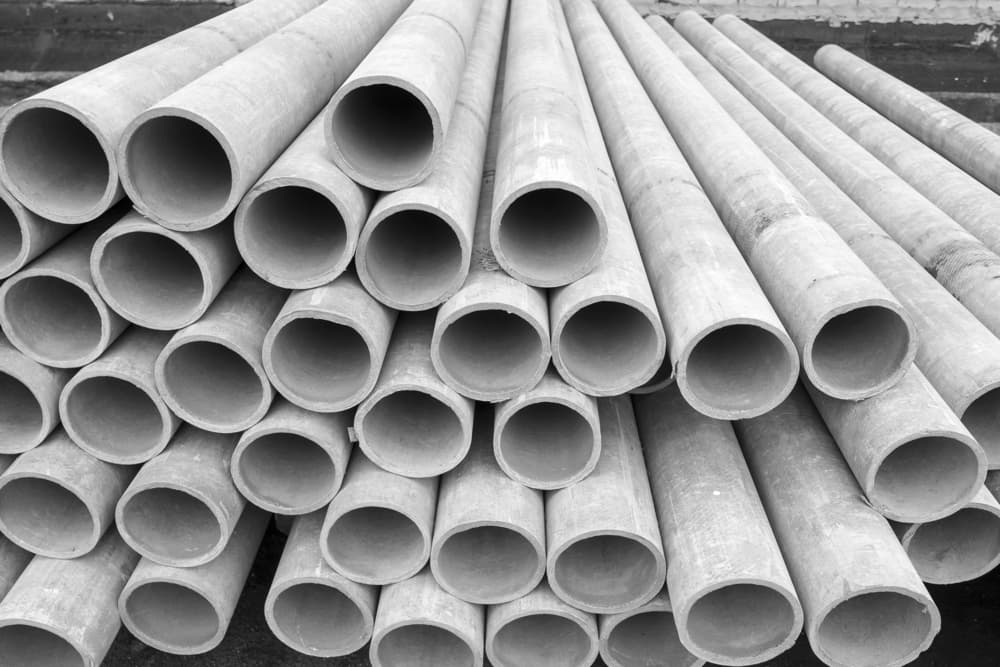
- Construction Materials: This includes roofing felt, siding shingles, vinyl floor tiles, ceiling tiles, and joint compounds used for finishing drywall.
Many companies manufactured these products, and through careful investigation, it is possible to identify which were used at your workplace.
What if the Company That Exposed Me Is No Longer in Business?
This is another frequent concern. Many of the largest asbestos manufacturers faced so many lawsuits that they were forced to file for bankruptcy. However, that does not mean they escaped accountability. As part of the bankruptcy process, the courts required these companies to establish special funds to compensate present and future victims of their products.
These funds are called asbestos bankruptcy trusts. According to the U.S. Department of Justice, dozens of these trusts have been established with billions of dollars set aside for claimants. To receive compensation from a trust, you must still prove that you were exposed to that specific company’s products.
This makes product identification in asbestos litigation just as critical for trust fund claims as it is for lawsuits against companies that are still operating. An experienced legal team will know which companies have established trusts and can help you file a claim with the proper evidence.
The Role of an Experienced Legal Team
Successfully identifying asbestos products from decades ago requires significant resources, knowledge, and dedication. A law firm that focuses on asbestos cases brings a unique set of advantages to your side. They have spent years, and in many cases decades, investigating these claims.
An experienced legal team often has access to:
- Extensive Databases: They maintain vast internal libraries of asbestos products, corporate histories, and known job sites. They can often cross-reference your work history with their records to quickly identify likely sources of exposure.
- Investigative Resources: They employ investigators who specialize in tracking down historical documents and locating former co-workers who can serve as witnesses.
- Knowledge of the Law: They understand the specific legal requirements for proving exposure in different states and for filing claims with various asbestos bankruptcy trusts.
By handling the complex work of product identification, a legal team allows you and your family to focus on what matters most: your health and well-being. They take on the burden of the investigation so you can direct your energy toward treatment and spending time with loved ones.
Product Identification in Asbestos Litigation FAQs
Here are answers to a few more common questions about identifying asbestos products.
What if my exposure was from a family member's work clothes?
This is known as secondary or secondhand exposure, and it is a valid basis for a claim. The product identification process is similar. It would focus on your family member’s work history to determine which companies’ asbestos dust they brought home on their clothing, skin, and hair.
How long does the product identification process usually take?
The timeline can vary greatly depending on the complexity of the case. It can take several months to conduct a thorough investigation, gather documents, and interview witnesses. An attorney can give you a better idea of the timeline based on the specifics of your situation.
Can I still file a claim if my exposure happened in the military?
Yes. While you generally cannot sue the U.S. government for exposure that occurred during military service, you can file claims against the manufacturers that supplied the asbestos-containing products to the military. The U.S. Navy, in particular, used a tremendous amount of asbestos on its ships, and product identification is key to holding those manufacturers accountable.
What if I worked with many different asbestos products and can't remember them all?
This is very common. Many workers were exposed to products from multiple companies. It is not necessary to remember every single product. The investigation aims to identify as many sources as possible to build the strongest case. Even identifying one or two products can be enough to move forward.
Does identifying a product mean I have to go to court?
Not necessarily. The vast majority of asbestos cases are resolved before a trial becomes necessary. This can happen through settlement negotiations with the companies or by filing claims with asbestos bankruptcy trusts. The evidence gathered during product identification is what gives you the leverage to achieve a favorable resolution.
Let Us Help You Find the Answers
At Vogelzang Law, we understand that a diagnosis of an asbestos-related disease is a profound challenge for you and your family. For over 20 years, our firm has been dedicated to helping people in your situation find clarity and a path to justice. We see the person behind the case and approach every client with compassion and an unwavering commitment to accountability.
The process of product identification in asbestos litigation is at the heart of what we do. Our team has the resources and deep experience needed to investigate your exposure history and uncover the truth. We will be your partner every step of the way. You can focus on your health while we focus on fighting for you.
If you or a loved one has been diagnosed with mesothelioma, lung cancer, or another asbestos-related illness, please reach out to us. Contact Vogelzang Law today at (312) 466-1669 or through our online form for a free and confidential consultation to learn more about your options.