
One of the most important early decisions in an asbestos-related lawsuit is choosing the correct jurisdiction. This choice involves more than just picking a courthouse; it sets the foundation for your fight for accountability.
Deciding where to file your mesothelioma claim depends on several factors, including where you were exposed to asbestos, where the responsible companies are located, and where you live now. This decision significantly impacts the legal process, and a knowledgeable legal team can help you navigate these options to find the path best suited for you and your family.
Key Takeaways for Choosing the Right Jurisdiction for a Mesothelioma Claim
- Several factors determine possible jurisdictions, including where the asbestos exposure happened, the locations of the defendant companies, and the claimant’s residential history.
- Each state has its own specific laws and deadlines, known as statutes of limitations, which can affect a person’s ability to file a claim.
- The choice of jurisdiction can influence the timeline of the case and the potential for a favorable outcome.
- An experienced legal team analyzes a person’s work and life history to identify all potential and advantageous jurisdictions for filing a claim.
Why Does Jurisdiction Matter in an Asbestos Lawsuit?
You might wonder what “jurisdiction” even means. In simple terms, jurisdiction is the legal authority of a court to hear and decide a case. For mesothelioma claims, several different states may have jurisdiction. Choosing the right one is a strategic decision that can have a real impact on your pursuit of justice.
The laws regarding asbestos litigation can vary dramatically from one state to another. Some states have court systems that are more experienced with handling complex mesothelioma cases, which can lead to a more efficient process. Others may have more favorable laws concerning the evidence you can present or the compensation you can receive. This decision is about finding a court that not only has the authority to hear your case but also provides a fair and just environment for your voice to be heard.
Key Factors in Determining Where to File Your Mesothelioma Claim
When you partner with a legal team, they will conduct a thorough investigation into your history to determine the best place to file your claim. This is a collaborative process focused on identifying the strongest path forward for your specific situation. You don’t have to figure this out on your own.
Several key factors will be considered when making this crucial decision.
- Location of Asbestos Exposure: The most common factor is where you were exposed to asbestos. This is often a former workplace, like steel mills, shipyards, construction sites, or factories. Even if the company has since closed, the location of your exposure is a primary consideration.
- Location of the Responsible Companies: A lawsuit can often be filed in the state where the asbestos manufacturer or supplier is headquartered or has a significant place of business. Your legal team can trace the corporate history of these companies to establish these connections.
- Your Place of Residence: While not always the primary factor, your current or past places of residence can also open up potential jurisdictions. Some states allow you to file where you live, even if the exposure happened elsewhere.
- Statute of Limitations: This is a crucial legal term for a deadline. Every state sets a time limit for how long you have to file a lawsuit after a diagnosis. These deadlines are strict and can be one of the most important factors in deciding where and when to file.
Understanding these interconnected factors requires a deep knowledge of state laws across the country. An attorney can help map out your options and explain the benefits of each potential jurisdiction.
Understanding Statutes of Limitations and Their Impact
The concept of a statute of limitations can feel intimidating, but it’s an important part of the legal process. It’s a law that sets a firm deadline for initiating legal proceedings. For mesothelioma, this can be complicated because the disease often develops decades after the initial asbestos exposure.
Fortunately, most states follow a discovery rule. This means the clock on the statute of limitations typically starts on the date you were diagnosed with an asbestos-related disease, not when you were exposed. This rule is a critical protection that allows victims of asbestos exposure to seek justice, even if their exposure happened 30, 40, or 50 years ago.
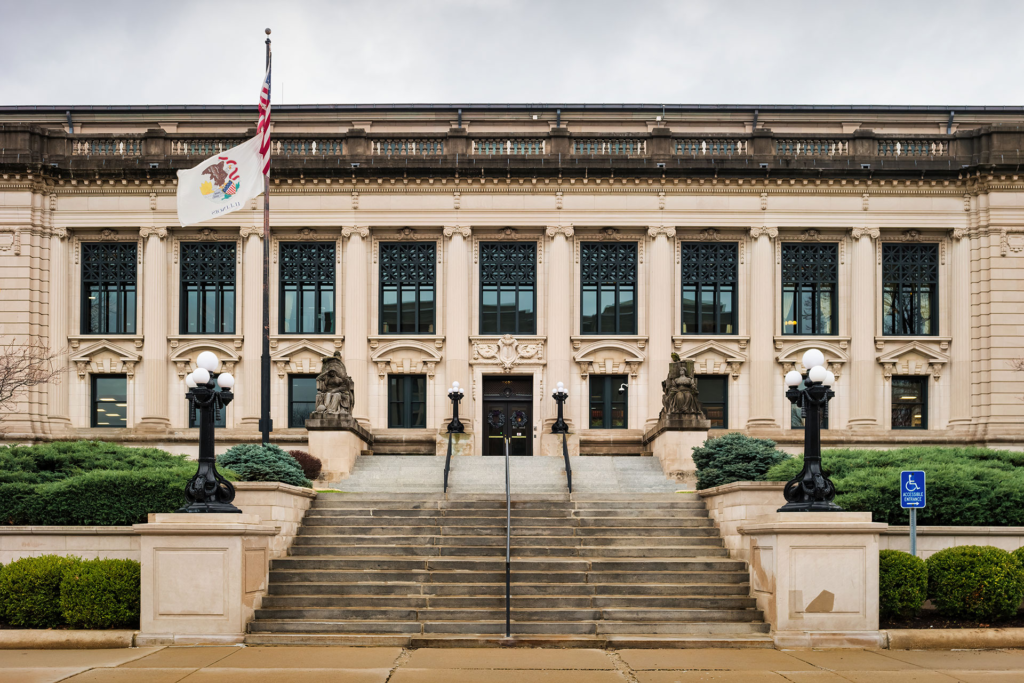
However, these time limits vary significantly by state. For example, the Illinois Code of Civil Procedure sets a specific timeframe for personal injury claims. Some states may give you only one year from your diagnosis to file, while others may allow three years or more. Because this window can be short, it’s vital to speak with a legal team as soon as possible after a diagnosis to preserve your right to file a claim.
The Role of a Mesothelioma Attorney in Choosing a Jurisdiction
You should not have to carry the weight of making these complex legal decisions alone. Choosing the right jurisdiction is a cornerstone of building a strong mesothelioma case, and it’s a process that an experienced legal team is prepared to handle with you. They understand the immense physical and emotional challenges you and your family are facing.
A dedicated legal team will work to make the process as clear and straightforward as possible, allowing you to focus on your health and well-being.
- Investigating Your History: Your attorneys will carefully review your work history, military service, and residential history to create a detailed timeline of your potential asbestos exposure.
- Identifying All Potential Jurisdictions: Based on this investigation, they will identify every state where you may be eligible to file a claim. This creates a range of options to consider.
- Strategic Case Planning: They will analyze the laws, court precedents, and legal landscape in each potential jurisdiction to recommend the one that provides the most favorable forum for your specific case.
This careful planning and diligent investigation are foundational to holding negligent companies accountable for the harm they caused. It is a partnership where your story is heard, and your fight becomes your legal team’s mission.
How to Choose the Right Jurisdiction for Filing a Mesothelioma Claim FAQs
What if I was exposed to asbestos in multiple states?
If your work or military service took you to different states where you were exposed to asbestos, you might have multiple options for where to file your claim. An attorney can analyze each location of exposure to determine which state’s laws and courts are most advantageous for your case. This is a common situation, and it can actually strengthen your legal options.
Does filing in a different state mean I have to travel there?
Not necessarily. In many mesothelioma cases, you may not be required to travel or appear in court, especially when you are undergoing medical treatment.
Your legal team can handle court appearances and proceedings on your behalf. Modern legal practice often uses video conferencing for depositions (out-of-court testimony), allowing you to participate from the comfort of your own home.
Can my claim be moved to a different jurisdiction?
In some instances, the companies being sued may try to move a case to a different jurisdiction they believe is more favorable to them.
An experienced mesothelioma legal team will be prepared for these tactics and will advocate to keep your case in the jurisdiction that is most appropriate and fair for you.
What if the company that exposed me to asbestos is now bankrupt?
Many companies that produced or used asbestos products have since filed for bankruptcy. As part of their bankruptcy proceedings, these companies were required to establish special trust funds to compensate current and future victims.
An attorney can help you determine which trusts you may be eligible to file a claim with, a process that is separate from but may proceed alongside a lawsuit against non-bankrupt companies.
I was exposed to asbestos during my military service. Where do I file my claim?
Veterans exposed to asbestos during their service cannot sue the U.S. government or the military branch they served in. However, you can file claims against the manufacturers and suppliers of the asbestos-containing products used by the military.
Your attorney can identify these companies and determine the appropriate jurisdictions for filing lawsuits against them. You may also qualify for VA benefits, which is a separate process from a civil lawsuit.
Vogelzang Law: We Are Here to Help You Navigate the Path to Justice
We understand that a mesothelioma diagnosis is overwhelming, and the thought of a legal battle can seem like too much to bear. At Vogelzang Law, we want you to know that you are not on your own. Our mission is to lift that burden from your shoulders so you can focus on what matters most: your health and your family. For over 20 years, we have stood beside families like yours, fighting relentlessly to hold negligent corporations accountable.
Your story deserves to be heard, and you deserve justice. We are ready to listen with compassion and guide you through every step of the legal process.
If you or a loved one has been diagnosed with an asbestos-related disease, please reach out to us. Your consultation is free, and it is the first step toward finding clarity and taking action. Contact Vogelzang Law today at (312) 466-1669 or through our online form to learn how we can help you fight back.