
Mesothelioma is an extremely rare and aggressive form of cancer originating in the mesothelium, the protective lining of organs. While it most commonly affects the lungs (pleural mesothelioma), it can also start in the lining around the abdomen (peritoneal), heart (pericardial), or testicles (tunica vaginalis). Pleural mesothelioma is the most prevalent type, followed by peritoneal mesothelioma. Pericardial and testicular mesothelioma are very rare.
Mesothelioma is also characterized by the shape and features of its cancerous cells, which can be epithelioid, sarcomatoid, or a combination of both (biphasic).
Asbestos Exposure and Mesothelioma
Asbestos exposure is the primary cause of mesothelioma, accounting for up to 80 percent of all cases. The “miracle mineral” is a naturally occurring mineral used in thousands of household and commercial products, dating back to the early 1920s. It was valued for its durability, lightweight, and fireproof properties. When inhaled, the small, needle-like fibers embedded themselves in the lungs. Due to the long latency period, it can take decades for signs of mesothelioma to develop.
Between the 1930s and 1940s, researchers began noticing a link between asbestos exposure and cancer. It wasn’t until the 1970s that asbestos was classified as a hazardous air pollutant when the Environmental Protection Agency established the Clean Air Act.
Manufacturers heavily promoted and widely used asbestos in the U.S. It was used as insulation for various industrial applications, such as steam engines, turbines, boilers, and ovens. Until the 1980s, asbestos was also a key component in home construction materials, including cement, tiles, roofing, and wire insulation.
The highest risk of asbestos exposure lies with military veterans and individuals with past industrial jobs. Additionally, second-hand exposure can lead to the development of related diseases. Family members of exposed workers can also inhale toxic fibers by coming into contact with contaminated clothing.
Types of Mesothelioma
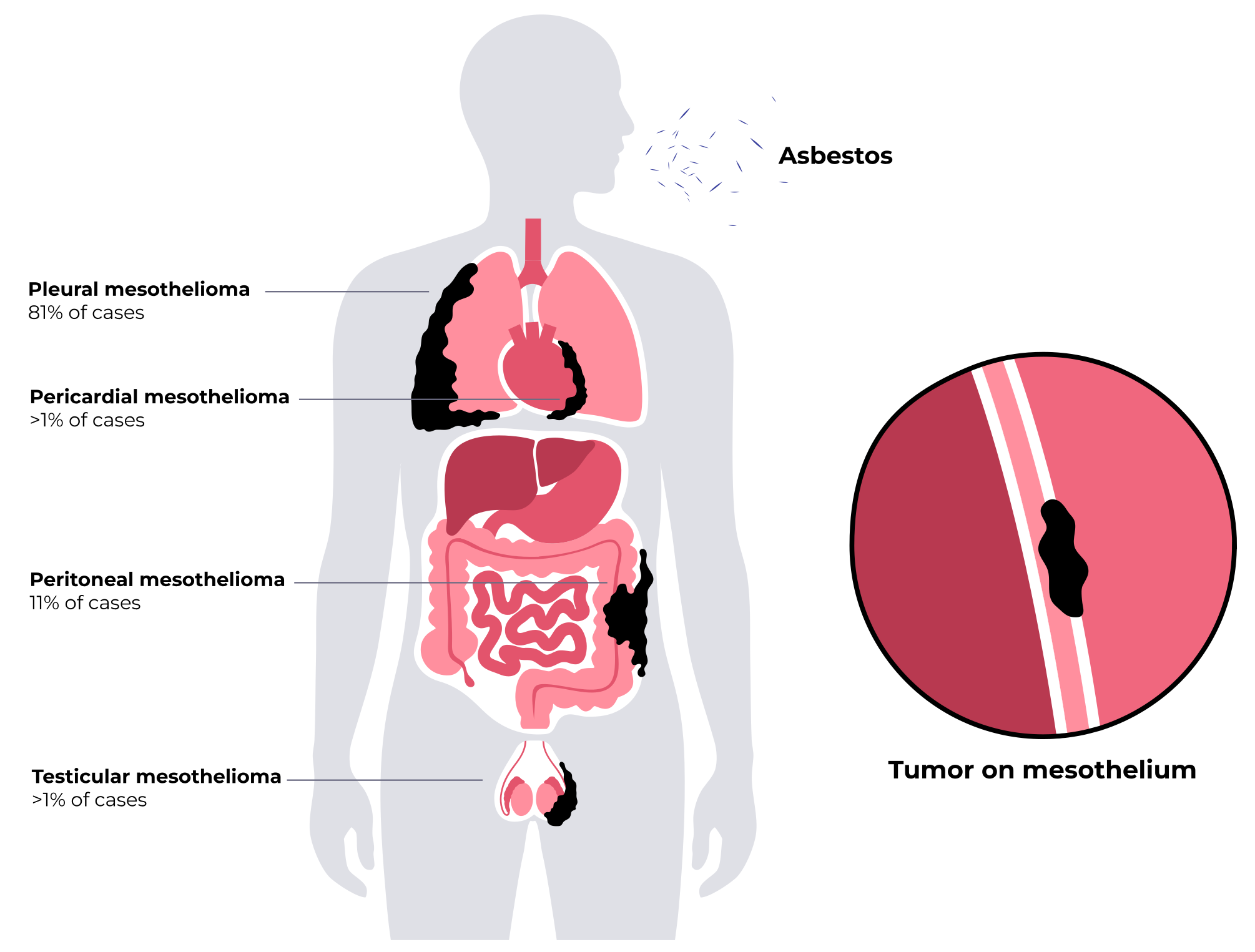
There are several types of mesothelioma, which are categorized based on the location of the cancer cells in the body.
There are four types of mesothelioma:
- Pleural mesothelioma is the most common type, accounting for about 75% of all cases. Malignant pleural mesothelioma affects the lining of the lungs (pleura) and can cause symptoms such as chest pain, shortness of breath, and persistent coughing.
- Peritoneal mesothelioma affects the lining of the abdominal cavity (peritoneum). Malignant peritoneal mesothelioma is less common than pleural mesothelioma, accounting for about 20% of cases. Symptoms may include abdominal pain, swelling, and nausea.
- Pericardial mesothelioma is a rare type of malignant mesothelioma that affects the heart’s lining (pericardium). Symptoms may include chest pain, palpitations, and difficulty breathing.
- Testicular mesothelioma is the rarest form of mesothelioma. It affects the lining of the testicles and may cause swelling or lumps, but it usually does not cause any other symptoms.
About Pleural Mesothelioma
Of the different types of mesothelioma, pleural mesothelioma is the most common. Pleural mesothelioma is a rare form of cancer that develops in the pleura, the sheet-like membrane that covers the inside surface of the ribcage and lungs. As the cancer progresses, the pleura thickens and makes breathing difficult.
Patients with pleural mesothelioma frequently suffer from pleural effusion, a medical condition characterized by the accumulation of excess fluid in the pleural space, which is the thin fluid-filled area between the membrane covering the lungs and the membrane lining the chest wall. Pleural effusion is one of the most common complications and presenting features of pleural mesothelioma.
The World Health Organization (WHO) categorizes mesothelioma into three categories based on the kinds of cancer cells found in the mesothelium. Some of the mesothelial cells lead to faster-growing cancer.
- Epithelioid Mesothelioma is a common type of mesothelioma that affects 80 percent of patients and is the easiest to treat.
- Sarcomatoid Mesothelioma is the rarest type of malignant mesothelioma, happening in 10 percent of cases. It grows and spreads faster and is more complicated to treat than epithelioid mesothelioma.
- Biphasic Mesothelioma is a rare form of mesothelioma that occurs in 10 to 15 percent of cases. Both epithelioid and sarcomatoid cell types define the cancer.
The symptoms of pleural mesothelioma take some time to emerge. In some cases, it may take as long as 50 years. Therefore, early symptoms may cause some concern but are also easy to dismiss. As a result, patients may delay a doctor’s appointment until the cancer has advanced.
The primary symptoms of pleural mesothelioma include chest pain and problems with breathing, as well as:
- Ongoing hoarseness and cough
- Problems with swallowing (dysphagia)
- Lower back pain
- Swelling of the arms and face
- Unexplained weight loss
- Tiredness
- Fever
- Night sweats
Most people who contract pleural mesothelioma also experience a pleural effusion, in which fluid builds between the chest wall and the lungs, making breathing harder.
Some patients may also have other conditions that co-occur with pleural mesothelioma, such as:
- Pleural plaques, or areas of thickened tissue on the pleura. These plaques, which aren’t cancerous, do not cause symptoms. However, they do show up on X-rays or other imaging.
- Asbestosis may also occur, producing scar tissue on the lungs, making breathing harder.
Cancer Staging for Pleural Mesothelioma
Oncologists use a staging system to classify the progression of pleural mesothelioma, which helps plan and schedule appropriate treatments. Pleural mesothelioma is categorized into four distinct stages.
Stage 1: The cancer is confined to the pleura. Patients typically receive treatments, such as surgery, to eradicate it.
Stage 2: The mesothelioma has spread beyond the pleura but is still close to the original site.
Stage 3: The cancer has spread to nearby organs and lymph nodes.
Stage 4: The cancer has metastasized to distant organs, necessitating non-traditional treatment approaches.
About Peritoneal Mesothelioma
Peritoneal mesothelioma affects the peritoneum, a thin, protective membrane that covers the abdominal organs (like the liver and intestines) and supports their functioning. It accounts for approximately 20 to 25 percent of all cases, making it the second most common form of mesothelioma, even though it is difficult to detect early.
Asbestos fibers inhaled into the lungs and trachea can migrate to the abdomen, leading to the development of cancer, which causes fluid buildup in the abdomen, resulting in swelling.
Symptoms of malignant peritoneal mesothelioma can be vague and easily mistaken for other, less severe conditions. This often leads to delays in diagnosis. Common symptoms include:
- Abdominal pain and swelling
- Fluid build-up in the abdomen
- Painful mass in the pelvic area
- Weight loss
- Nausea and vomiting
- Changes in bowel habits (constipation or diarrhea)
- Loss of appetite
- Fatigue
- Night sweats
- Fever
- Anemia
Cancer Staging for Peritoneal Mesothelioma
Unlike pleural mesothelioma, peritoneal mesothelioma lacks a universal staging system. However, the Peritoneal Cancer Index (PCI) is frequently used to evaluate the extent of the disease. The PCI involves dividing the abdomen into 13 regions and scoring tumor size in each region, with a range of 0 to 3. Zero indicates no cancer, while 3 means cancer has overtaken the area. The total PCI score aids treatment planning and provides prognostic insights. As peritoneal mesothelioma advances, patients might develop more pronounced symptoms, including abdominal swelling from fluid accumulation (ascites), bowel obstruction, and severe weight and muscle loss (cachexia).
The staging system is as follows:
- Stage 1: PCI score from 1 to 10.
- Stage 2: PCI score from 11 to 20.
- Stage 3: PCI score from 21 to 30.
- Stage 4: PCI score from 31 to 39.
About Pericardial Mesothelioma
Pericardial mesothelioma is uncommon and affects the heart’s lining, known as the pericardium. This thin, double-layered sac protects the heart and the roots of the major blood vessels connected to the organ. When malignant cells develop in this lining, they can cause the pericardium to thicken, leading to a range of serious and life-threatening cardiovascular complications.
Pericardial mesothelioma is a rare form of the disease, representing only 1% to 2% of all diagnoses. Although uncommon, it has a profound impact on those affected and their families, often creating substantial medical, emotional, and financial difficulties.
Symptoms of pericardial mesothelioma can be vague and often mimic those of other heart conditions, making an early diagnosis challenging. Common symptoms include:
- Chest pain
- Shortness of breath
- Persistent cough
- Heart palpitations
- Fatigue
- Fever
- Night sweats
- Unexplained weight loss
- Pericardial effusion
- Pericardial thickening
- Difficulty swallowing (dysphagia)
Pericardial mesothelioma is diagnosed using imaging (X-rays, CT scans, MRIs), blood tests, and biopsy. Its rarity and vague symptoms often lead to misdiagnosis or late-stage detection.
About Testicular Mesothelioma
Testicular mesothelioma, also known as mesothelioma of the tunica vaginalis testis, is an extremely rare cancer that develops in the lining of the testes. Because this condition is so uncommon, patients may need multiple treatments to stave off its growth. Unfortunately, testicular mesothelioma is known for its few visible symptoms. Research is still developing to explain the link between asbestos and tunica vaginalis tumors.
The signs and symptoms may include:
- The first noticeable sign is often a swelling or lump in the testicle. The swelling may be painless and can affect one or both testicles.
- Scrotal pain or discomfort: Some patients experience pain or a feeling of heaviness in the scrotum.
- Fluid buildup (hydrocele): Fluid accumulation around the testicles can cause swelling.
- Epididymitis: Inflammation of the epididymis, the tube that carries sperm from the testicle.
- Testicular pain: While not always present, some men experience pain in the affected testicle.
- Abdominal or lower back pain: As the disease progresses, it may cause pain in the abdomen or lower back.
- Unexplained weight loss: As with many cancers, unexplained weight loss can be a symptom.
- Fatigue: General tiredness and lack of energy may occur.
- Fever: In some cases, patients may experience low-grade fevers.
- Night sweats: Excessive sweating during sleep can be a symptom of various cancers, including mesothelioma.
It’s important to note that these symptoms can indicate other, more common conditions. However, if you experience any of these symptoms, especially if you have a history of asbestos exposure, it’s essential to consult a healthcare professional immediately.
Diagnosing Pleural, Peritoneal, Pericardial, and Testicular Mesothelioma
Mesothelioma symptoms differ depending on the location of the cancer. Diagnosis involves reviewing medical history, conducting a physical exam, utilizing imaging techniques like X-rays, CT scans, or MRIs, and performing a biopsy to identify cancerous cells and classify the mesothelioma type.
Pleural mesothelioma is diagnosed through imaging (MRI, CT scan, or PET). These tests determine the location of tumors and whether the cancer has spread.
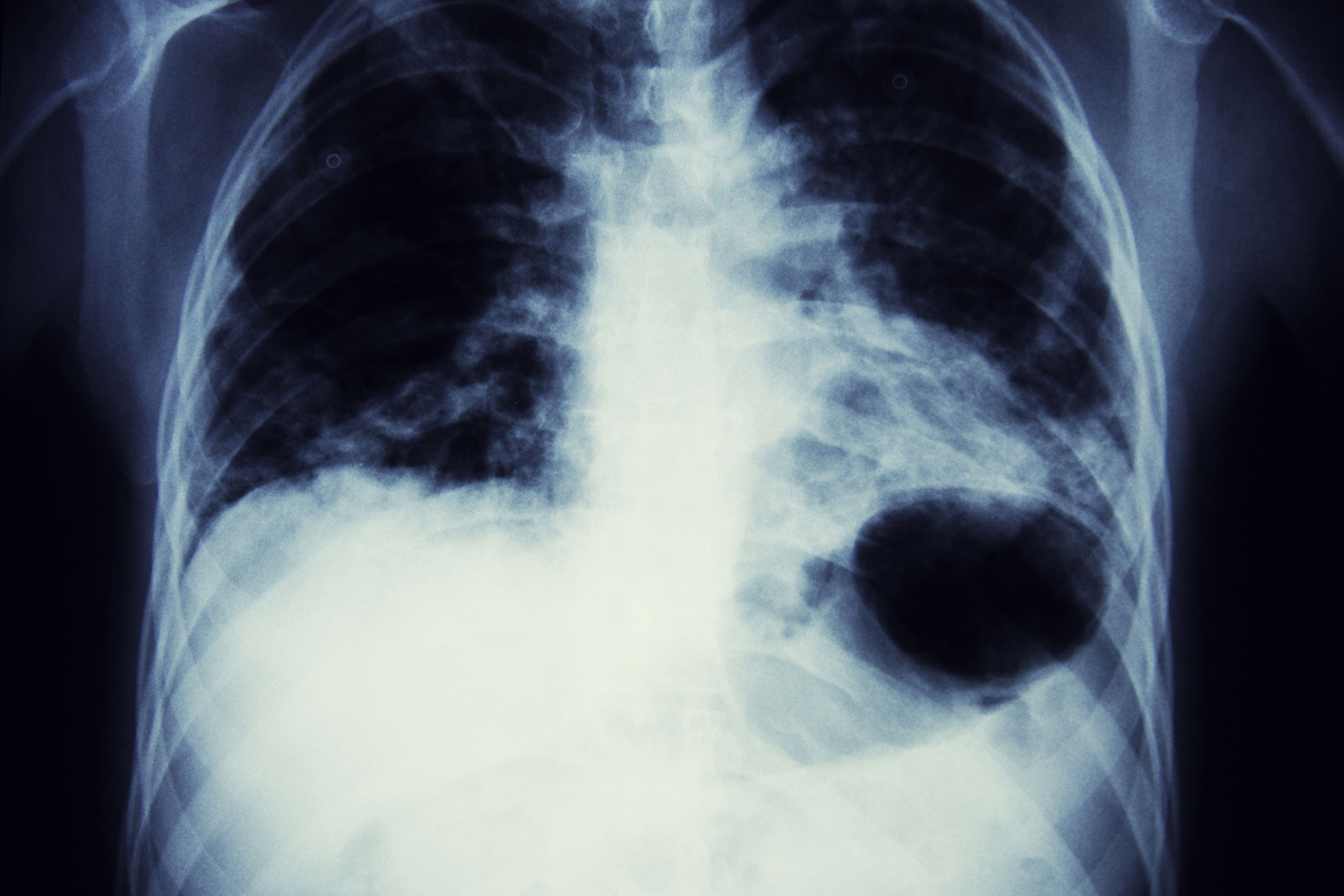
- Imaging Tests: Chest X-rays can reveal lung abnormalities such as pleural thickening or effusion (fluid accumulation). Your healthcare provider may also request an MRI, CT, or positron emission tomography (PET) scan.
- Blood Testing: Blood tests may be ordered to check for high levels of substances linked to mesothelioma, such as soluble mesothelin-related peptides or fibulin-3.
- Thoracentesis: A thoracentesis is a medical procedure performed by a healthcare provider to extract fluid from the area surrounding the lungs. This fluid sample can then be analyzed to detect the presence of cancer cells. Additionally, removing excess fluid during a thoracentesis can alleviate pressure within the chest.
- Biopsy: To confirm a mesothelioma diagnosis, a healthcare provider may take a tissue sample for cancer cell testing. This can be done through video-assisted thoracic (VATS) surgery, thoracoscopy, or bronchoscopy.
Diagnosing peritoneal mesothelioma can be challenging due to its rarity and the nonspecific nature of its symptoms. The diagnostic process typically involves several steps:
- Medical history and physical examination: Your doctor will inquire about symptoms, occupational history, and potential asbestos exposure.
- Imaging studies: CT scans, MRIs, and PET scans can help visualize abnormalities in the abdominal cavity.
- Blood tests: While not definitive, certain blood markers, such as mesothelin and osteopontin, may be elevated in mesothelioma patients.
- Biopsy: This is the only definitive way to diagnose peritoneal mesothelioma. A tissue sample is taken and examined under a microscope. There are several biopsy methods:
- Paracentesis: A needle removes fluid from the abdominal cavity for analysis.
- Laparoscopy: A minimally invasive procedure where a small camera is inserted through a small incision to view the abdominal cavity and take tissue samples.
- Laparotomy: An open surgical procedure that allows for direct visualization and sampling of suspicious areas.
- Immunohistochemistry: This technique uses special stains to identify specific proteins in the tissue sample, helping to differentiate mesothelioma from other types of cancer.
- Peritoneal fluid analysis: During the procedure, your health care provider will insert a needle into the abdominal cavity to collect fluid samples. The test is limited because it’s testing the abdominal fluid, not the tissue.
Diagnosing pericardial mesothelioma requires a physical examination and imaging tests that will confirm the presence of tumors. A biopsy is the only way to verify if the cells are cancerous.
- Physical exams: Physical exams can uncover signs and symptoms of pericardial mesothelioma. Unfortunately, most cases are discovered during an autopsy. Doctors can diagnose only about 10%-20% of cases before a patient dies.
- Echocardiogram: An echocardiogram, or heart ultrasound, is a primary, noninvasive diagnostic test for pericardial mesothelioma. Using sound waves, this scan allows doctors to visualize the heart’s size, shape, and function and can detect excess fluid.
- Imaging tests: Standard tests, like CT and MRI, help detect pericardial tumors, making them a preferred diagnostic tool for determining whether a biopsy is necessary.
- Biopsy: To accurately diagnose pericardial mesothelioma, doctors surgically extract fluid or tissue from the affected mass. A pathologist then examines these cells microscopically to confirm the presence of mesothelioma.
Pericardial tumors, which typically are not localized and tend to cover most of the heart, constitute approximately half of all tumors affecting the pericardium.
Regarding pericardial mesothelioma, meeting with a specialist is critical to an accurate diagnosis. Common pericardial mesothelioma misdiagnoses include:
- Cardiac tamponade
- Cardiomyopathy
- Constrictive pericarditis
- Coronary heart disease
- Heart failure
- Intra-atrial myxoma
- Tuberculosis pericarditis
Diagnosing testicular mesothelioma differs from that of other forms. It is often diagnosed during or after surgery because it’s so rare and does not present unique symptoms. To accurately diagnose testicular mesothelioma, providers will use a variety of techniques:
- Ultrasound: An ultrasound of the testes uses sound waves to produce images. It assists doctors in detecting unusual growths or fluid buildup, which could be signs of mesothelioma or other medical issues.
- CT Scans: CT scans of the abdomen and pelvis offer detailed visuals, aiding in the detection of tumors and the identification of cancer spreading to adjacent lymph nodes or organs.
- Biopsies: Testicular mesothelioma is definitively diagnosed through a biopsy, which involves taking and analyzing a small tissue sample from the testicle. This procedure enables doctors to identify mesothelioma cells and differentiate the condition from other testicular problems.
Due to the rarity of testicular mesothelioma, misdiagnosis is common. Its symptoms often mimic more prevalent conditions, which can delay proper diagnosis. A biopsy is the only definitive method for accurate identification.
Mesothelioma Myths & Facts
Myth #1: The US has banned asbestos and it's no longer used
Yes and no. In 2024, the EPA finally banned chrysotile asbestos, the only known form of asbestos used or imported into the United States. However, the ban comes too late. The ban does not address legacy asbestos found in old buildings, homes, and schools. It also allows for different timelines to phase out its use, and allows certain industries five years to find asbestos alternatives.
Myth #2: Risk of mesothelioma is only applicable to individuals who work directly with asbestos
Although mesothelioma risk is higher for those working directly with asbestos, indirect exposure is equally dangerous. Secondhand exposure occurs when asbestos fibers become airborne and cling to clothing, hair, or furniture. Clothing is the primary source of this exposure, as washing contaminated garments or even hugging someone can lead to inhalation of the fibers. It is recommended to discard any clothing known to contain asbestos.
Myth #3: Mesothelioma only affects the elderly
Mesothelioma can occur at any age, but diagnosis typically happens in older individuals due to the lengthy latency period for the cancer to develop. However, even during this time, asbestos fibers can still cause harm to the body.
Myth #4: Asbestos workers ignored the health risks of asbestos exposure
Early asbestos workers were unaware of the life-threatening dangers of asbestos exposure, primarily because manufacturers prioritized its low cost and stockpiled products without fully understanding the health consequences for workers. Asbestos production surged in the early 1900s, but the health risks only gained national attention in the 1980s. Tragically, it’s also been documented that during the initial manufacturing stages, executives concealed internal studies revealing a significantly higher incidence of respiratory illnesses among asbestos workers compared to the general population.
Myth #5: Mesothelioma is just another name for lung cancer
Unlike lung cancer, which has multiple causes, including genetics and smoking, mesothelioma is exclusively caused by asbestos exposure. While asbestos exposure can also lead to lung cancer, a key distinction lies in how these cancers develop. Lung cancer typically forms localized tumors, whereas mesothelioma spreads across the lining of the lungs, abdomen, or heart. This diffuse growth pattern of mesothelioma makes it particularly challenging for medical professionals to treat..
Mesothelioma FAQs
What is mesothelioma?
Mesothelioma is a rare and aggressive form of cancer found in the lining of the lungs, abdomen, heart, or testicles. Because symptoms can be similar to those of several other conditions, such as the flu or pneumonia, they can be challenging to detect or diagnose.
The only proven cause of mesothelioma is asbestos exposure.
There are four main types of mesothelioma - they include:
- Pleural mesothelioma: This is the most common type of mesothelioma, accounting for approximately 75% of all cases. Malignant pleural mesothelioma affects the lining of the lungs (pleura) and can cause symptoms such as chest pain, shortness of breath, and persistent coughing.
- Peritoneal mesothelioma: This type of mesothelioma affects the lining of the abdominal cavity (peritoneum). Malignant peritoneal mesothelioma is less common than pleural mesothelioma, accounting for about 20% of cases. Symptoms may include abdominal pain, swelling, and nausea.
- Pericardial mesothelioma: This rare type of mesothelioma (less than 1% of all cases) affects the lining of the heart (pericardium). Symptoms of this type of malignant mesothelioma may include chest pain, palpitations, and difficulty breathing.
- Testicular mesothelioma: This is the rarest form of mesothelioma and affects the lining of the testicles. It may cause swelling or lumps in the testicles, but it usually does not cause any other symptoms.
What causes mesothelioma?
Asbestos exposure is the only proven cause of mesothelioma. Too many asbestos companies and manufacturers knowingly subjected their workers and the public to hazardous asbestos-laden products.
When asbestos fibers are inhaled or inadvertently consumed, they become lodged in the delicate linings of internal organs. The body's inability to degrade these fibers leads to years of irritation, which can eventually trigger the development of cancer cells.
Is there a cure for mesothelioma?
While there is no cure for mesothelioma, various treatment options are available that may help extend life expectancy and alleviate symptoms.
Some treatment options include:
- Surgery
- Chemotherapy
- Immunotherapy
- Radiation Therapy
- Targeted Therapy
- Tumor Treating Fields
- Clinical Trials
Are mesothelioma and lung cancer the same disease?
No. Mesothelioma develops in the lining of the lungs, the lining of the abdominal cavity, the lining of the heart, or the lining of the testicles. In contrast, lung cancer originates directly within the lungs.
How common is mesothelioma?
Mesothelioma is a rare form of cancer. Between 2,000 and 3,000 people are diagnosed with mesothelioma each year. Men are four times more likely to receive a mesothelioma diagnosis than women, with the average patient being over the age of 70. Mesothelioma accounts for approximately 0.3% of annual cancer diagnoses in the U.S.
How long does it take for mesothelioma symptoms to develop?
Mesothelioma and other diseases caused by asbestos exposure often have a long latency period, with symptoms typically manifesting 20 to 50 years after the initial exposure.
Medical FAQs: Symptoms, Diagnosis, Treatments, & Prognosis
What are some common symptoms of mesothelioma?
Because mesothelioma symptoms can be similar to those of other conditions, such as pneumonia or the flu, it can be challenging to detect and diagnose. Common symptoms of malignant mesothelioma may include:
- Difficulty breathing
- Persistent coughing
- Pain under the rib cage
- Abdominal pain, swelling, or lumps
- Prolonged hoarseness
- Persistent constipation
- Excessive blood clotting, indicated by redness, swelling, and pain
- Unexplained weight loss
- Chronic fatigue
- Chest pain or irregular heartbeat
If you or a loved one experiences any of these symptoms, contact your physician immediately and inform them of your history of asbestos exposure.
How is mesothelioma diagnosed?
Malignant mesothelioma is a rare cancer that can be difficult to diagnose. Its rarity, combined with symptoms that can mimic other cancers like lung cancer, contributes to this diagnostic challenge.
To diagnose your condition, your physician will likely begin by inquiring about your symptoms, medical history, lifestyle, and any past asbestos exposure.
From there, you may undergo several diagnostic procedures:
- Physical tests, such as a lung function test
- Imaging tests, including chest x-rays, a CT scan, a PET scan, or an MRI
- Thoracoscopic surgical biopsy, in which an endoscope is inserted into the chest cavity and a tissue sample is taken - also often referred to as a video-assisted thoracic surgery (VATS) biopsy
- Needle biopsy where a long, thin needle is inserted in the pleura and small tissue samples are taken out for examination
What are the treatment options for mesothelioma?
Treatment options often involve a multimodal approach and will depend on factors including the stage and type of mesothelioma you have, as well as medical history and overall health. The most common treatments for mesothelioma include:
- Surgery
- Chemotherapy
- Immunotherapy
- Radiation Therapy
- Targeted Therapy
- Tumor Treating Field
- Clinical Trials
Is mesothelioma contagious?
No, mesothelioma is not contagious and cannot be passed from person to person.
However, asbestos fibers can be transferred from one individual to another. These microscopic fibers can attach to clothing and hair, and there are documented instances of people inadvertently carrying asbestos fibers from their workplaces into their homes.
This is known as secondhand asbestos exposure.
Can mesothelioma be diagnosed through an X-ray instead of a biopsy?
Although chest X-rays are commonly used to investigate lung concerns, they can only reveal abnormalities such as tumors, excess fluid, or thickened lung linings. To accurately diagnose mesothelioma, a biopsy is required.
How long can you live with mesothelioma?
Mesothelioma is often not diagnosed until it has reached an advanced stage, as symptoms frequently go unnoticed. Although the average life expectancy is 12-21 months, this can fluctuate significantly based on individual factors.
A patient’s life expectancy will depend on several factors, including their:
- Age
- Overall health
- Treatment options
- Type of mesothelioma
It is critical to seek medical care immediately if you suspect you have mesothelioma, as early intervention may extend your life expectancy.
Can mesothelioma enter remission, like other cancers?
Though rare, mesothelioma treatment can be effective enough to halt the growth of cancer cells. Consulting a mesothelioma specialist is crucial for developing an effective treatment plan tailored to your individual needs.
If you need help finding a specialist, contact us - we have connections with hospitals, oncologists, and pulmonologists around the nation.
How do I find the right doctor to diagnose my mesothelioma?
Given the rarity of mesothelioma, it is recommended to consult a specialist. Our mesothelioma lawyers collaborate closely with mesothelioma specialists nationwide, including those at the Mesothelioma Applied Research Foundation, RUSH Medical Center, the University of Chicago, and the Mayo Clinic.
Mesothelioma Lawsuit FAQs
How do I file a mesothelioma lawsuit?
Vogelzang Law has over 25 years of experience in asbestos litigation. Mesothelioma cases can be incredibly complex - working with an experienced firm will make the process as straightforward as possible.
Learn more about our process.
In general, the mesothelioma claims process involves the following steps:
- Initial consultation: During this free, confidential consultation, we'll discuss your work history, medical diagnosis, and asbestos exposure to determine your legal options.
- Gathering evidence: We will collect medical records, employment history, and documents related to asbestos exposure to build a strong case. Our experienced team knows how to find the proof needed for your claim.
- Nationwide reach: We handle mesothelioma cases across the nation. Our attorneys are well-versed in state laws and can assist you in filing a lawsuit for compensation, regardless of where your asbestos exposure occurred.
- Filing the lawsuit: After gathering evidence, we'll file your lawsuit. Most cases settle out of court, avoiding long trials. Our goal is a swift and efficient resolution, along with deserved compensation.
- No upfront costs: We offer contingency-based fees, so you only pay attorney fees if we win your mesothelioma case.
You are not alone. We are here to support you every step of the way. Our attorneys will come to your home, handle all the paperwork, and guide you through the legal process with compassion and care. Our goal is to make this as easy on you as possible while ensuring that those responsible for your asbestos exposure are held accountable.
What is the average compensation for a mesothelioma lawsuit?
Mesothelioma settlement amounts vary significantly, making it difficult to determine an average. Each case is unique, and a law firm's previous successes do not guarantee similar future outcomes.
Many factors influence the compensation amount in each case. These can include the severity of the asbestos-related illness, any lost wages, and medical expenses.
However, a few of our past mesothelioma legal settlements include:
- $17 million - Union Boilermaker
- $8 million – Union Boilermaker
- $7.9 million – Union Pipefitter
- $7.7 million – Union Pipefitter
- $7.6 million – Union Boilermaker
- $6.9 million - Assembly Worker
- $5.8 million - Union Steelworker
- $5.63 million – Union Pipefitter
See all our case results.
Who is eligible to file a mesothelioma lawsuit?
You may be eligible for mesothelioma compensation if:
- You were diagnosed with mesothelioma
- Your spouse or parent had mesothelioma and passed away
- You represent the estate of someone with mesothelioma who passed away
Not sure if you’re eligible? Contact us for a free case evaluation.
What are my options for compensation from a mesothelioma lawsuit?
If you've been affected by mesothelioma, compensation might be available through lawsuits or asbestos trust funds. An estimated $30 billion remains in these funds, which were established by asbestos companies that filed for bankruptcy due to lawsuits related to mesothelioma.
How long does it take to get compensation for a mesothelioma lawsuit?
Receiving a mesothelioma settlement varies from case to case. We recognize the urgency for families impacted by mesothelioma to achieve swift outcomes, and we are committed to securing your compensation as quickly as possible.
How much does a mesothelioma lawyer cost?
Vogelzang Law's asbestos attorneys operate on a contingency fee basis. You won't pay any upfront or out-of-pocket fees; we only receive payment if your mesothelioma case is successful.
A Compassionate Advocate Is Here for You
At Vogelzang Law, we are always committed to our clients and bring them the justice they deserve. We have secured verdicts totaling over $500 million nationwide for our clients and will continue to fight to secure more.
Please contact us if you have any questions about potential exposure or want to know more about your rights.